GLOBAL ECONOMY • HOUSEHOLD STEWARDSHIP
Ukraine War and Your Household Budget: What to Watch Without Panic
War can move through energy, food, transport, and confidence long before it reaches a household ledger. Here is how to prepare with clear information, practical margin, and a steadier heart.

Hello, good morning—let’s begin with another blessed piece of content.
It is natural to wonder what a war thousands of miles away has to do with a grocery receipt, a gasoline stop, or a retirement statement. The honest answer is: sometimes quite a lot, and sometimes much less than a dramatic headline suggests. Global conflicts can disrupt the movement of fuel, grain, fertilizer, shipping capacity, insurance, and investment capital. Those disruptions can eventually appear in household prices. But they are rarely the only explanation for a higher bill, and they do not give any of us a reliable reason to predict next month’s prices or trade a portfolio around a news alert.
The continuing war in Ukraine is a profound human tragedy first. Its effects on Ukrainian families, homes, infrastructure, and livelihoods are direct and severe. For households in the United States and Canada, the connection is usually indirect: global markets transmit risks through energy, agriculture, transport, inflation expectations, and policy decisions. Seeing that distinction helps us respond with both compassion and discipline. We can care deeply about people affected by war without turning every report into a personal financial emergency.
Key takeaways
- The war in Ukraine is one of several forces that can affect energy, agricultural trade, inflation, and market sentiment; it does not explain every price change by itself.
- Higher fuel, transport, and food costs can put pressure on a household budget, so flexibility and a modest reserve are more useful than predictions.
- Long-term investment decisions should remain connected to goals, time horizon, diversification, and risk—not to a single day’s geopolitical news.
- A clear budget, lower high-interest debt, and an emergency reserve can improve resilience without requiring a household to forecast the next crisis.
- This article offers general education, not individualized investment, legal, tax, or financial advice.
Why a distant conflict can show up in ordinary prices
Modern household budgets are tied to a long chain of production and transport. A family buys gasoline, groceries, household goods, airline tickets, heating, or a delivered package near home. Yet each of those items may depend on fuel, shipping routes, crop inputs, insurance, exchange rates, and suppliers operating in several countries. When a major producing region is disrupted, markets start reassessing availability and risk—even if the product on a local shelf was not made in Ukraine.
Ukraine’s role in global agriculture makes this especially relevant for food markets. The Food and Agriculture Organization reported in March that the war continued to constrain transport and storage capacity, while forecast 2025/26 cereal exports remained below pre-conflict levels. Later in 2026, the FAO also described Black Sea export disruptions and war-related damage as pressure on grain storage. Those facts do not mean a North American family should expect a particular grocery-price increase. Food prices also reflect weather, harvests in other regions, labor, exchange rates, retail decisions, fertilizer, and energy. They do mean that agricultural logistics remain one source of uncertainty in the wider system.
Energy works in a similar way. Oil is traded globally, so a disruption in one region can influence expectations everywhere. The U.S. Energy Information Administration noted that crude-oil and petroleum-product prices rose in the third quarter of 2026 amid persistent conflict in the Middle East, including disruptions affecting major energy infrastructure and transport routes. Its analysis is a useful reminder: 2026 energy pressure cannot honestly be assigned to Ukraine alone. Several conflicts, supply decisions, inventories, refinery capacity, and demand conditions can move fuel costs at the same time.
Energy: the fastest route from global news to a household budget
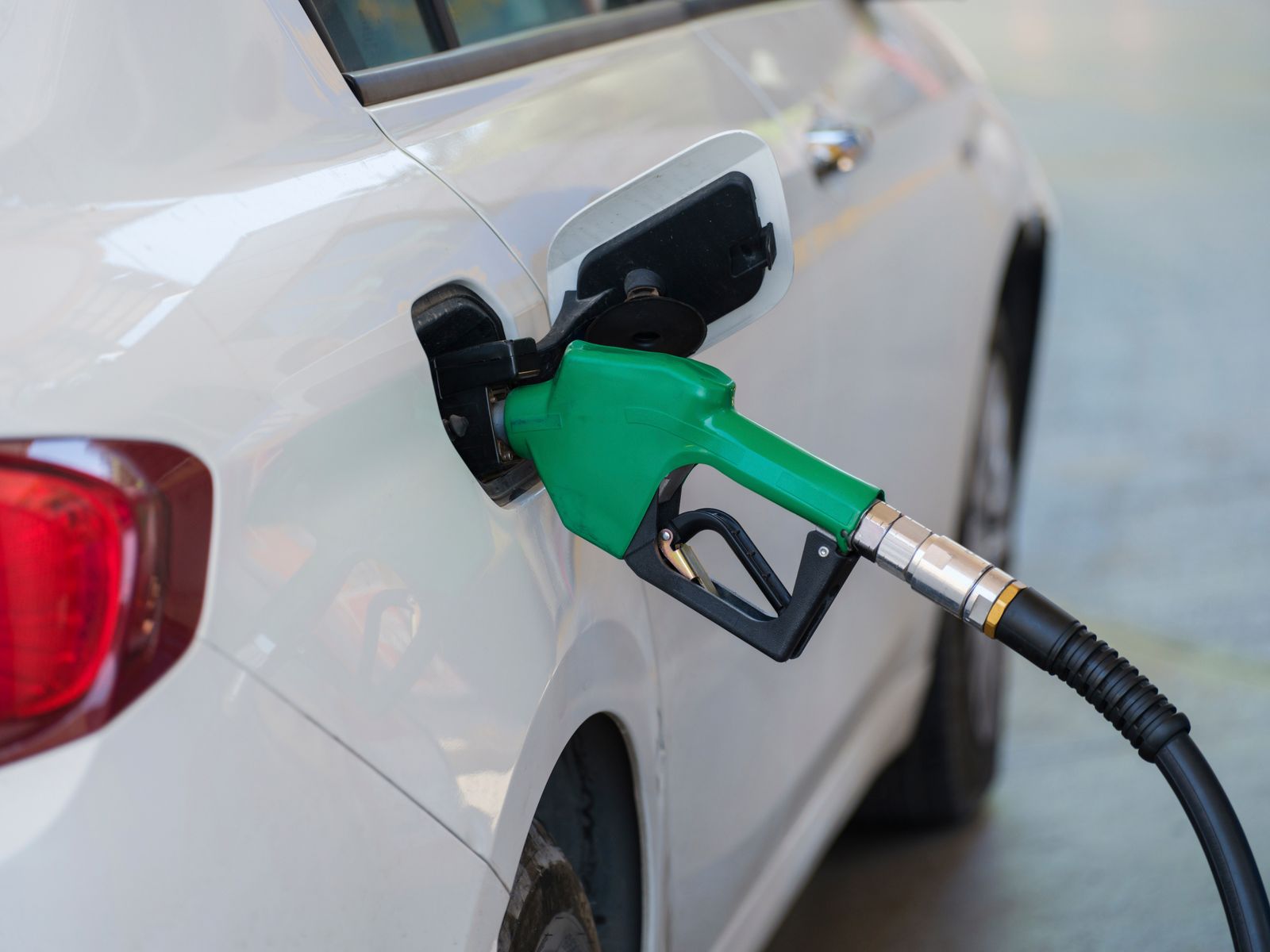
When oil, diesel, or natural-gas markets become volatile, the effect can travel beyond the price displayed at a gas station. Diesel matters to trucking, farming, freight rail, construction, and delivery networks. Higher transport costs may eventually affect some consumer prices. Fuel can also change the cost of a commute, an airline trip, a home-heating bill, or an emergency repair that requires a service call.
That does not mean every household needs to stockpile fuel, fill a garage with supplies, or assume prices will rise forever. Those choices can create waste and anxiety. A calmer response is to look at the budget you actually have. How much did transportation cost over the last three months? Is that amount realistic for the next month? Are there trips that can be combined, subscriptions or services that can be reviewed, or routine car-maintenance items that should be scheduled before they become more expensive repairs? These are modest questions, but they are more useful than trying to outguess a global market.
For a household with a tight cash flow, even a small fuel increase can matter. The aim is not perfection. It is margin. A category in a budget can be adjusted when it is visible. If it is never reviewed, a temporary increase can silently become credit-card debt. The Christian Budgeting guide and the educational 50/30/20 Budget Calculator are two places to begin organizing general spending categories.
Food: supply matters, but so does patience with the facts
Ukraine grows and exports important grains and oilseeds. When conflict damages infrastructure or makes storage and transport harder, it can affect producers, buyers, and global supply expectations. But “global food market” is not the same as “your next grocery receipt.” A plentiful harvest elsewhere, a stronger or weaker currency, a retailer’s inventory, local weather, and food-processing costs can each matter. It is responsible to recognize the connection without presenting it as a simple one-cause story.
That distinction is useful for family planning. Instead of trying to guess whether a particular commodity will spike, watch the categories you buy repeatedly: groceries, restaurant meals, school lunches, pet supplies, and household essentials. Compare a few weeks of real receipts. If a category is rising, decide in advance where flexibility could come from. A meal plan, a grocery list, fewer convenience purchases, or using what is already in the pantry can be meaningful. None of this asks a family to live fearfully. It asks the household to practice attentiveness.
It also helps to avoid shame. Some families have very little flexibility because food, rent, medicine, and care already take most of their income. In that situation, a generic “cut back” message is not enough. Local food-assistance programs, community organizations, benefits counseling, and trusted family support may be appropriate. Good stewardship is not pretending every financial difficulty can be fixed with a better spreadsheet. It is naming the problem truthfully and seeking help before a short-term pressure becomes a deeper crisis.
Inflation is a system, not a single headline
Inflation is often discussed as though one event or one political decision explains everything. In reality, it reflects many moving parts: supply and demand, wages, housing, services, interest rates, consumer expectations, energy, transport, taxes, weather, and global trade. Conflict can add supply shocks and uncertainty to that picture, but it cannot explain every movement in a consumer-price index.
The International Monetary Fund’s October 2026 outlook describes global conditions as resilient but uneven and identifies further conflict escalation among the downside risks. Its Ukraine work has likewise stressed that the country’s outlook remains exceptionally uncertain. The World Bank reported in October that higher energy prices, heightened uncertainty, and trade disruptions were weighing on the Europe and Central Asia outlook, with Ukraine’s growth expected to slow amid damage to critical infrastructure and export disruption. These reports are not household forecasts. They are a warning against false certainty.
For a family, the practical implication is straightforward: build a plan that can absorb an imperfect month. Revisit essential bills before discretionary spending. Keep a calendar for annual or irregular expenses. If possible, send a modest automatic amount to a reserve after each paycheck. Review insurance deductibles and emergency contacts. None of these actions depends on predicting the next inflation report. They turn uncertainty into an occasion for wise preparation.
Markets react quickly; families should react thoughtfully
Financial markets can respond in minutes to a diplomatic statement, a military escalation, a sanctions announcement, or a change in oil futures. A household plan should not have to. Market prices represent changing expectations, not certainty about the future. A news-driven price move may reverse quickly; the underlying consequences can take months to become clear.
This is why a retirement account should not become a referendum on every frightening headline. A diversified, long-term allocation is designed with the understanding that shocks occur. It will not prevent losses in every market decline, and diversification does not guarantee a profit or protect against all loss. It can, however, reduce the risk of tying a family’s future to one company, one sector, or one prediction. The U.S. Securities and Exchange Commission’s Investor.gov explains diversification and investor education in plain language.
Before changing an investment, ask a slower question: has my goal changed, has my time horizon changed, or has my ability to tolerate risk changed? If the answer is no, a headline alone may not justify a permanent move. People approaching a known withdrawal date may have different needs than people investing for decades. Those details are personal. If you need advice specific to your circumstances, seek a qualified professional who has a duty appropriate to the service they provide.
What the conflict means inside Ukraine
It is important not to discuss this subject only as a price chart. The economic damage inside Ukraine is far more immediate than the spillover experienced by a North American household. The IMF said in July that Russia’s continuing war and spillovers from the Middle East were expected to slow Ukraine’s 2026 growth to a range of 1.0% to 1.6%. The World Bank has documented widespread damage to housing, transport, and energy infrastructure and an enormous reconstruction need. Behind every economic category are people making decisions about safety, family, work, school, and home under conditions no household should have to endure.
That perspective can improve our own financial response. It interrupts the temptation to treat suffering as a market opportunity or a reason for dramatic self-protection. Prayer, generosity toward well-vetted humanitarian organizations, careful attention to credible reporting, and a refusal to spread alarming claims we cannot verify are meaningful responses. Christian stewardship includes compassion as well as planning.
Five practical actions that do not require a crystal ball
1. Build the budget around real prices
Use recent transactions rather than an old estimate. If fuel, groceries, or utilities cost more than they did three months ago, let the budget reflect that. Then decide which categories can move first if another increase arrives. A plan becomes more useful when it is honest.
2. Start or protect an emergency reserve
An emergency fund is not a prediction about war. It is a source of breathing room when a tire fails, hours change, a bill is higher than expected, or travel becomes unavoidable. A small starter balance is still a meaningful beginning. Read The School of the Ant and use the Emergency Fund Calculator for general educational planning.
3. Keep high-interest debt from absorbing every surprise
When a budget feels squeezed, high-rate debt can make the next month harder than the last. List balances, annual percentage rates, minimum payments, and due dates. Protect essentials, then choose a payoff method that is clear and repeatable. The Biblical Consumer Debt Freedom guide and Debt Payoff Calculator can help you understand scenarios without offering individualized advice.
4. Separate preparation from panic buying
Keeping a normal supply of items you use and maintaining routine maintenance are reasonable. Buying far beyond a household’s needs because a headline feels urgent is different. It ties up cash, can lead to waste, and may leave less room for the bill that actually arrives. Preparation is measured; panic is usually expensive.
5. Keep generosity connected to wisdom
Giving does not have to wait until a family feels completely secure, but it should not be driven by guilt or manipulated promises. If you choose to help, verify the organization, understand how funds are used, and preserve your own essential needs. Steady, thoughtful generosity can be part of a family plan.
A biblical posture: prudence without fear
Scripture does not ask us to deny trouble. Proverbs commends the person who sees danger and takes refuge, while also warning against haste and shallow confidence. Jesus’ teaching about worry does not tell people that food, clothing, or tomorrow are imaginary concerns; it calls them away from being mastered by anxiety. Those themes belong together. We can name a genuine risk, make a practical plan, and refuse to make fear the author of every decision.
That is a healthier definition of resilience than self-sufficiency. A household may prepare through saving, insurance, skills, relationships, and honest records. It may also need community, public resources, medical care, or help from people it trusts. There is no disgrace in that. Wisdom is not the performance of having everything under control. It is the practice of taking the next faithful step with the information and resources actually available.
Practical next step
Set aside 20 minutes this week to compare your last two months of transportation, groceries, and utility spending. Choose one category to adjust on paper and one small action that would add resilience—such as checking a recurring bill, scheduling maintenance, or transferring a modest amount to savings. Keep the action proportionate. The goal is steadiness, not fear.
Official sources
- International Monetary Fund: 2026 Article IV consultation and first review for Ukraine
- U.S. Energy Information Administration: petroleum markets in the third quarter of 2026
- Food and Agriculture Organization: Ukraine country brief
- World Bank: Europe and Central Asia Economic Update
Related articles
Christian Budgeting: A Biblical Budget Plan · The School of the Ant · Biblical Asset Allocation · Editorial Policy
Financial education disclaimer
This article is for general educational and informational purposes only. It is not individualized investment, legal, tax, or financial advice. Economic conditions and public information can change rapidly; verify current facts with primary sources before making a decision.